
Six ways to care for your block
Recurring litter cleaning is available now. You can also help bring composting, leaf cleanup, weed removal, snow cleanup, and public trash can service to your neighborhood.
Explore all six services ↓Help us decide what launches next
What does your block need?
Tell us which new Glitter services you would use. Your response helps us plan where to launch them first.
Join the waitlist ↓Registering interest only. You are not signing up to pay.
What a block can share
Six services, shared by neighbors
Litter cleaning is available now. We are launching five more ways for neighbors to share the cost of caring for their block, so no one household has to carry it alone. Prices below are what we expect a block to pay, split among however many neighbors join.
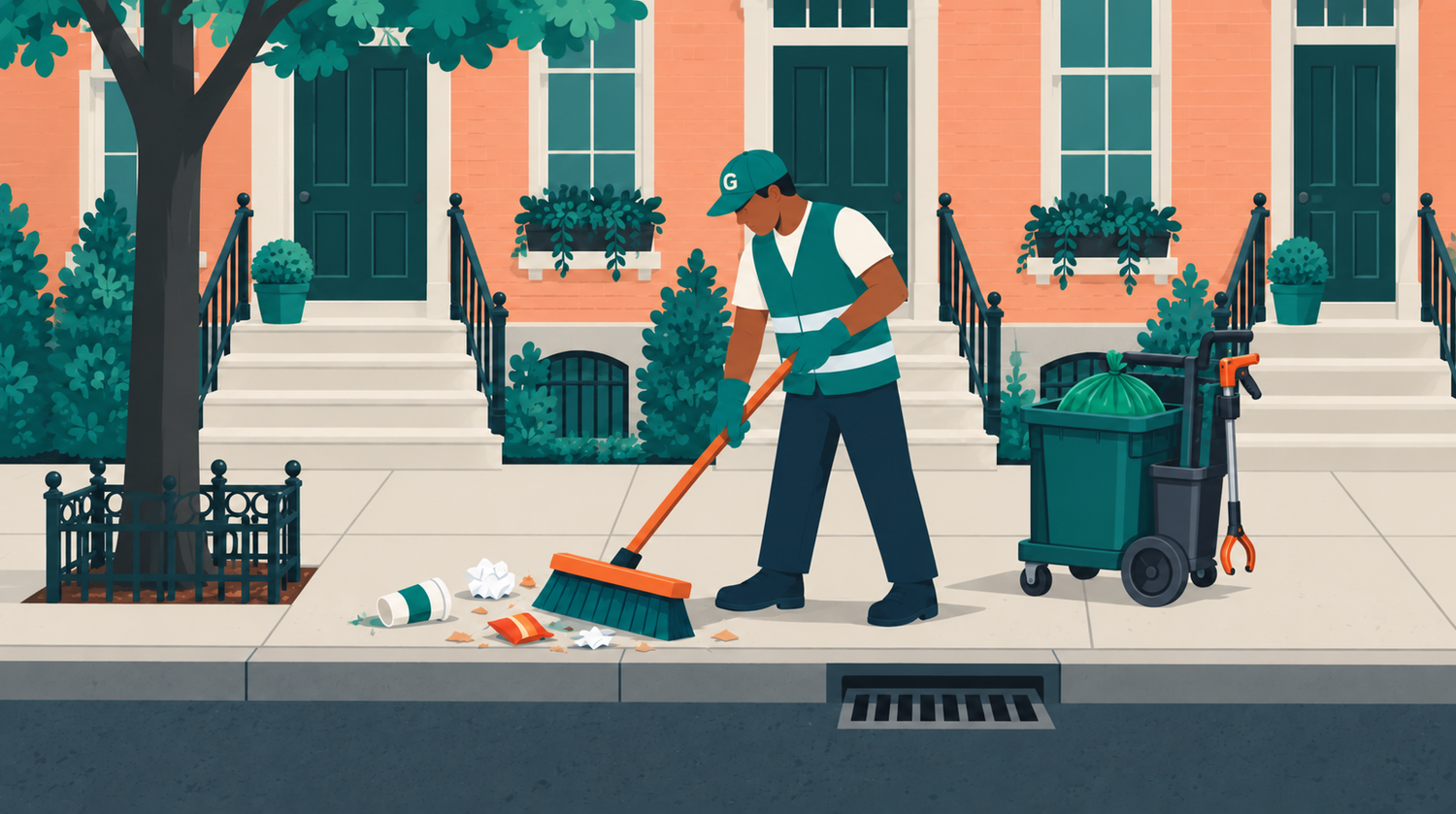
Litter cleaning
Available nowA reliable cleaner removes litter and trash from your sidewalks, street, curb line, and storm drains. Every visit is documented with photos, and neighbors share the cost through pledges that fit their budgets.
$50 a block
per cleaning, split among any number of neighbors. Start with monthly cleaning and add more frequent visits as additional neighbors join.
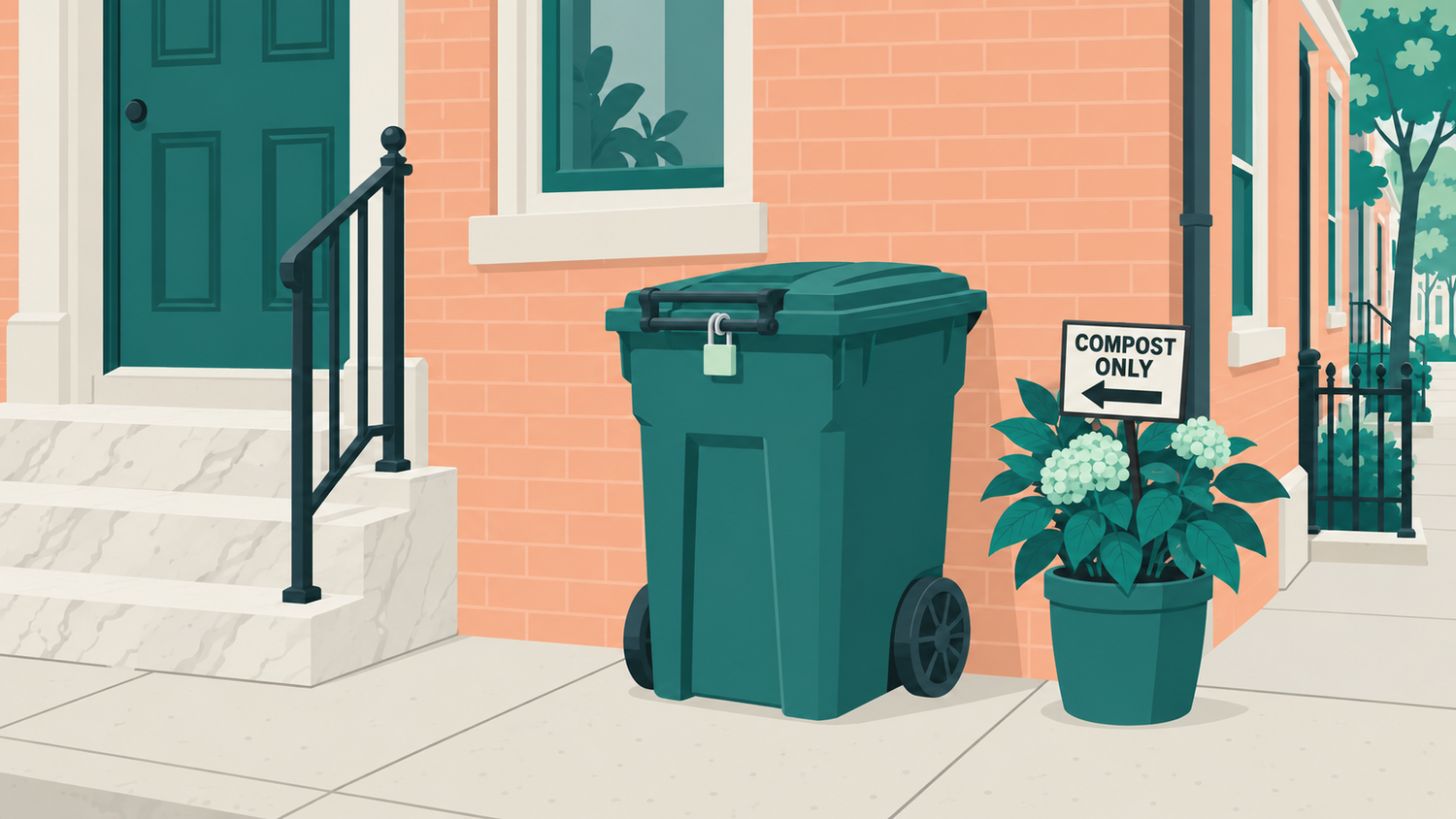
Shared compost bin
Running nowA secured bin outside a participating home, with lock codes for everyone who joins. Bennett Compost swaps it for a fresh one every week. Food scraps, meat, dairy and coffee grounds all go in. No plastic, yard waste or trash.
$150 a month per bin
split amongs neighbors who sign up
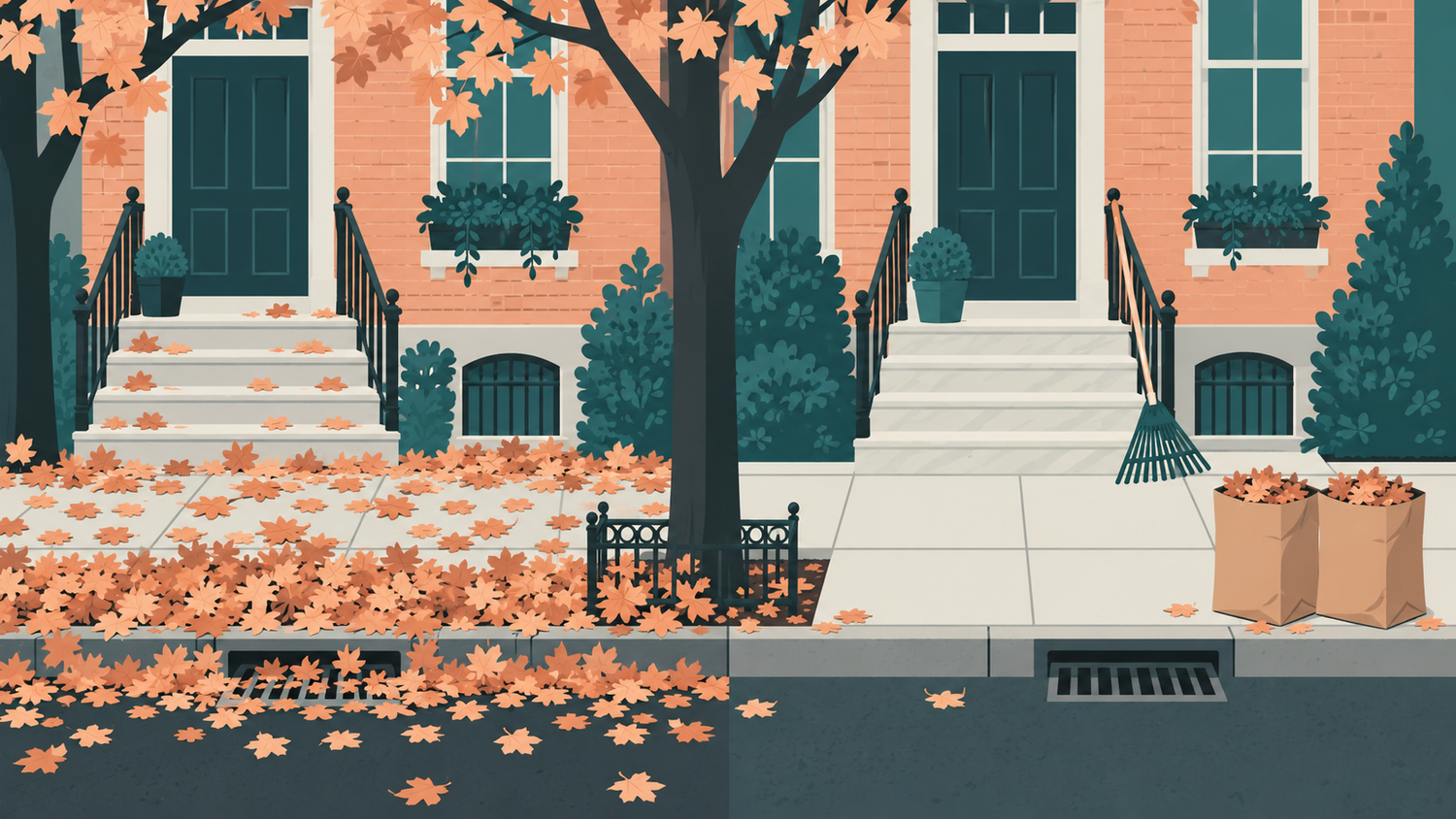
Fall leaf cleanup
Gauging interestLeaves cleared off the sidewalks, curb line and storm drains through the fall, so they do not sit and rot or block the drains when it rains. September through November.
$250 a block
for the season, about $10 a month each if eight households split it
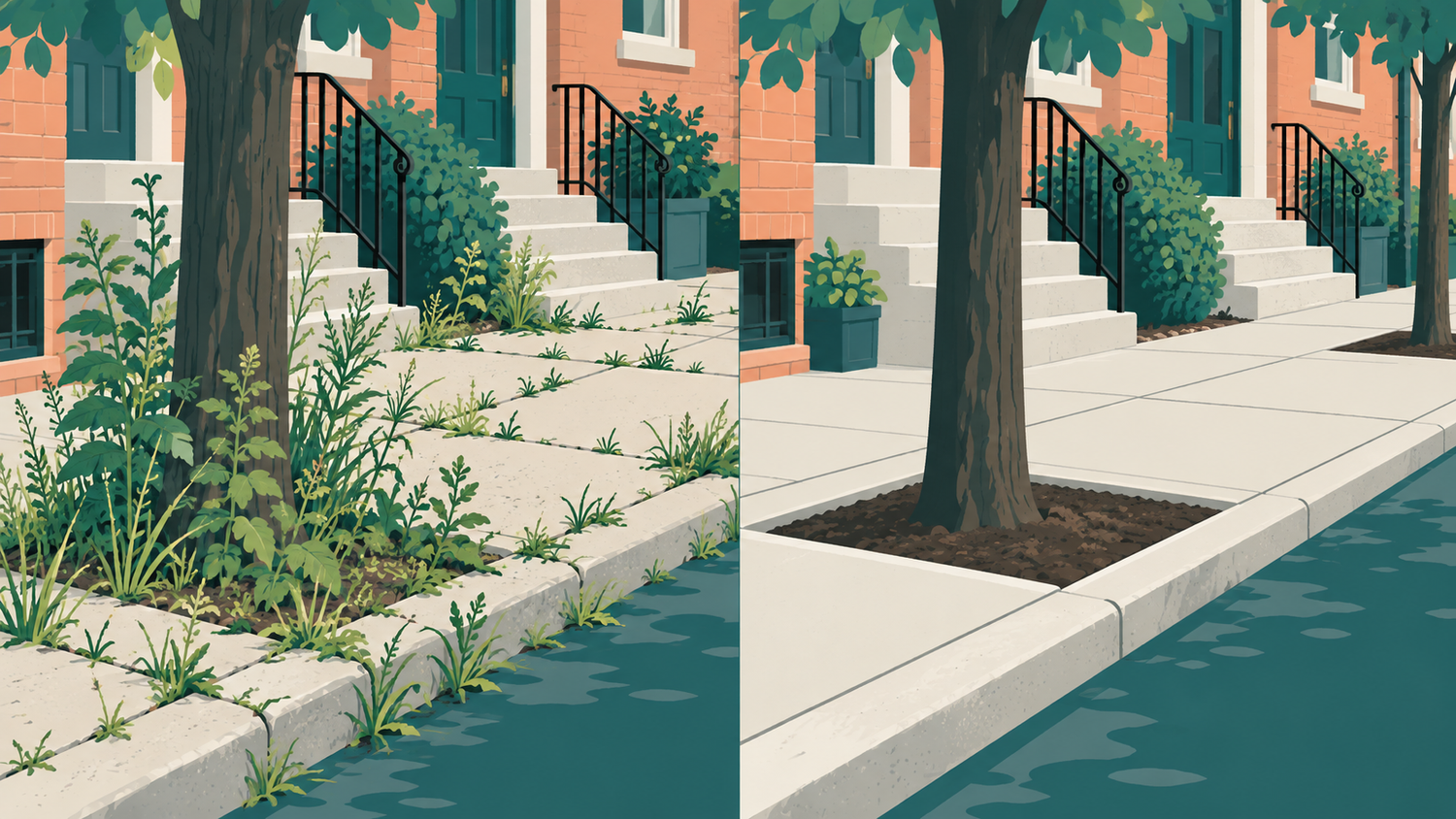
Weed removal
Gauging interestWeeds pulled from sidewalk seams, tree pits and the curb line. The thing every block asks about, and the thing a weekly litter sweep does not always get to.
$50 a block
per month, about $10 each if five households split it

Snow cleanup
Gauging interestSidewalks and corners cleared after a storm, so the block is walkable and nobody is relying on whichever neighbor happens to own a shovel.
$50 to $100
a block per storm, depending on how much falls
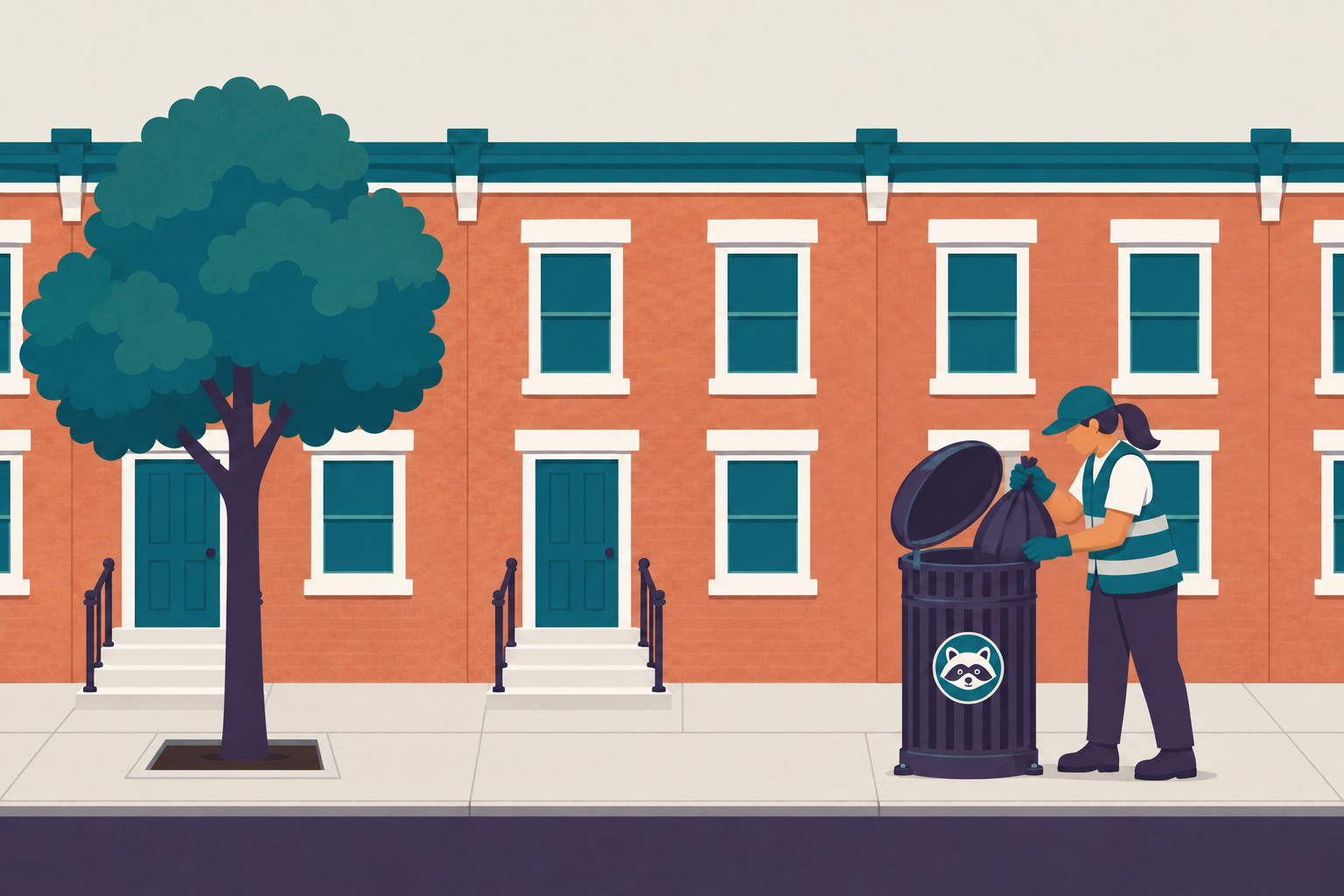
Trash can on your block
Running nowA public can gives people somewhere to put things, but a can nobody empties becomes its own problem. Yours gets emptied every week during your regular cleaning. If your block already has a can, we can take over emptying it. If it does not, we can install one.
$25
per week to empty, on top of your cleaning. $700 once to install, if your block needs a new can. Both split across the block like everything else.
How the waitlist works
Nothing happens until your block is ready
1.
Tell us what you want
Check whichever of the services you would want. Litter cleaning is not on the list because it is already available. You are not agreeing to pay for anything.
2.
We look for a cluster
We watch for blocks and neighborhoods where enough people want the same thing to make it work.
3.
You decide When/If
When your block is close, we come back with a real price and a start date, and you choose from there.
GET ON THE LIST
Pick whatever you would actually use. Your address is how we find out whether enough neighbors near you want the same thing. We will email you when your block gets close, not before.
Learn more
-
Sort of. You’ll create a free Glitter account so we can manage billing, send updates, and provide access to the bin.
You do not need to pay for cleaning services to join compost.
-
Bennett Compost is a local compost hauling company. They:
Provide the compost bins
Secure and maintain them
Collect weekly
Process compost locally
They already serve thousands of homes and businesses in Philadelphia.
-
It is $15 per participating household per month.
Each household contributes individually.
-
Accepted:
Fruit and vegetable scraps
Meat, bones, dairy
Bread and grains
Eggshells
Coffee grounds and filters
Food-soiled paper (napkins, paper towels)
Not accepted:
Plastic of any kind
“Compostable” plastic
Trash
Yard waste
If you’re unsure, just ask.
-
We recommend:
Using a small countertop container
Lining with a brown paper bag (optional but helpful)
Keeping scraps relatively dry
Dropping off regularly
Optional countertop bins are available for purchase.
-
When used properly and emptied weekly, odor is minimal.
To prevent smells:
Avoid dumping loose liquids
Always close and lock the lid
Don’t place trash in the bin
Drop scraps regularly
-
The bin is:
Heavy-duty
Lidded
Locked
Secured to a fixed object
Proper use and locking are important. Shared bins are already operating successfully in Philadelphia.
-
Bins are emptied weekly and monitored.
During the pilot, Bennett tracks fullness and adjusts as needed.
If you notice it’s full, let us know.
-
You can try the shared model during the pilot.
Before starting, we’ll confirm whether you’d like to pause your individual service so you’re not double paying.
-
We’ll evaluate:
Participation levels
Feedback
Operational performance
Financial sustainability
If successful, we’ll formalize the program and share next steps.